Betfred Expands Retail Network Reductions Following Recent Budgetary Adjustments
Written by Willa Russell · Nov 21, 2026

Betfred Expands Retail Network Reductions Following Recent Budgetary Adjustments
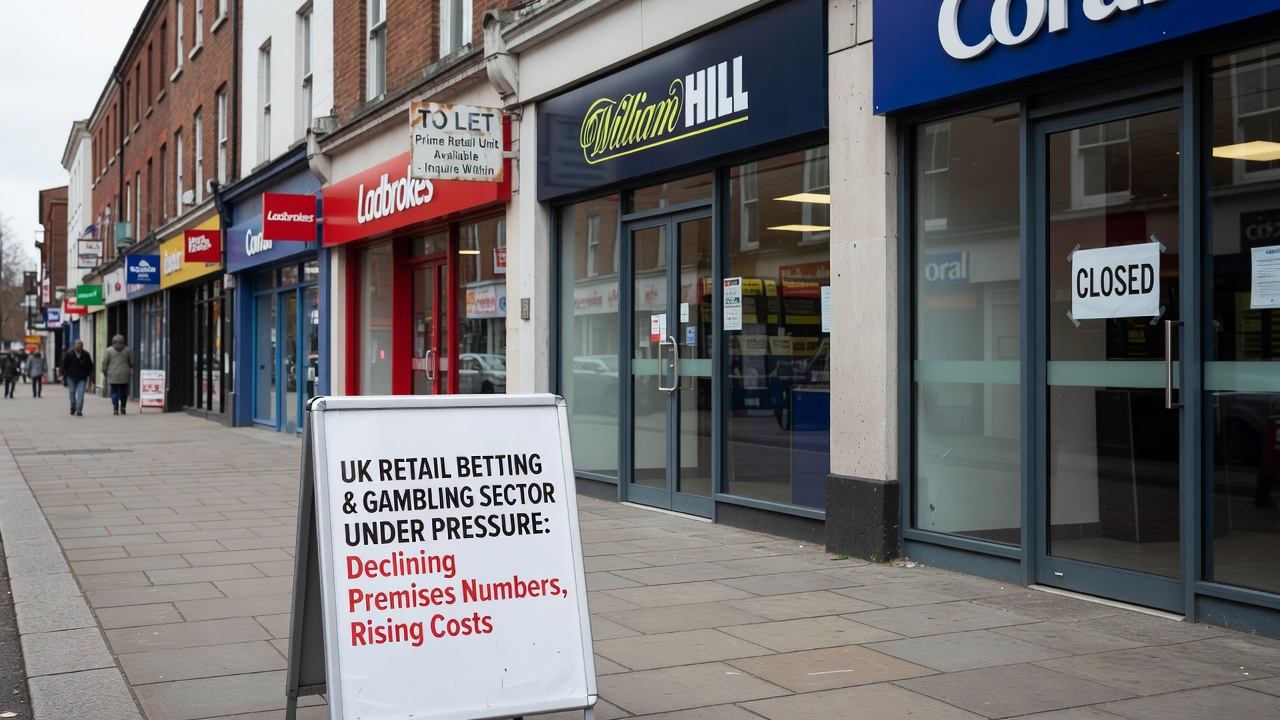
Betfred has confirmed plans to shutter another 73 betting shops across the United Kingdom, placing 365 positions in jeopardy while building on the 132 locations already slated for closure earlier in July 2026. The operator pointed directly to cumulative tax rises introduced through the 2025 and 2026 budgets as the central driver, with machine games duty climbing from 20 percent to 25 percent forming one of the most significant cost pressures alongside broader increases in day-to-day operating expenses.
Scale of the Latest Announcement
Company statements detail that the fresh round of closures will occur in phases over coming months, affecting sites spread throughout England, Scotland, and Wales. Observers note that the combined total of 205 shops now facing shutdown represents a substantial contraction in Betfred's physical footprint, one that follows patterns seen across other major bookmakers responding to the same fiscal measures. Data from industry monitoring groups shows these moves concentrate in towns and cities where footfall has already declined, yet the specific timing aligns closely with the latest duty adjustment taking effect.
Tax Changes Behind the Decision
Successive budgets delivered targeted increases in gambling taxation, including the machine games duty hike that directly impacts revenue from gaming terminals housed inside betting shops. The 2025 budget introduced initial adjustments, while the 2026 package added further layers that together raised the effective tax burden on retail operations. Betfred executives explained that these changes, combined with rising energy, staffing, and compliance costs, rendered continued operation of the affected locations unsustainable under current conditions. Figures released alongside the announcement indicate the cumulative effect has narrowed margins to levels that no longer support the previous network size.
Those familiar with the sector point out that machine games duty applies specifically to terminals offering roulette, slots, and similar products, which historically contributed a meaningful portion of shop income. The five-percentage-point rise therefore creates an immediate and recurring cost that cannot be offset through volume alone in lower-traffic locations. Reports compiled by racing industry bodies further estimate that the full set of closures will remove approximately £2.3 million each year from payments tied to media rights and the betting levy, funds that support prize money and infrastructure across British horse racing.
Employment and Community Implications
With 365 roles now at risk from the additional closures, the company has stated it will work with affected staff to explore redeployment where possible while also providing redundancy support packages. Local authorities in areas facing multiple shop losses have begun reviewing the potential knock-on effects for adjacent businesses that rely on passing trade from betting customers. Industry analysts tracking employment data across the sector record that similar rounds of consolidation at other operators have produced measurable shifts in local job markets, although aggregate national figures remain influenced by growth in online channels.
Connection to Racing Finances
The projected £2.3 million annual reduction in media rights and levy contributions stems from lower betting volumes processed through the remaining physical outlets. Racing Post coverage of the announcement highlights how these payments form a stable revenue stream for the sport, and any contraction directly reduces the pool available for distribution. Figures supplied by the company suggest the impact will register most clearly in the next full financial year once all closures complete.
Additional context comes from the fact that the July 2026 announcement already triggered discussions between bookmakers and racing authorities about mitigating measures. The latest development extends those conversations, with stakeholders examining whether further adjustments to levy structures or alternative funding models might offset the shortfall. Data gathered over the past year shows a steady migration of betting activity toward digital platforms, a trend that amplifies the pressure on retail margins when tax rates rise simultaneously.
Timeline and Next Steps
Betfred indicated the process of identifying specific sites for closure will conclude by late November 2026, allowing time for consultation periods required under employment regulations. Managers at individual branches have received initial briefings, and staff consultation meetings are scheduled to begin shortly after the public statement. The operator emphasized that decisions rested solely on financial viability calculations tied to the new tax regime rather than broader strategic withdrawal from the high street.
Broader Sector Context
While Betfred's move stands as the most recent large-scale example, other licensed operators have signaled similar reviews of their retail estates in response to the same budgetary changes. Statistics compiled by trade associations reveal that the total number of betting shops operating across the United Kingdom has declined steadily since the 2025 duty adjustments first took effect. The pattern illustrates how successive tax increases compound existing challenges around operating costs and shifting consumer preferences.
Conclusion
The announcement consolidates earlier plans into a larger programme of network reduction, directly linking the 73 additional closures and associated job impacts to the combined effects of 2025 and 2026 tax measures. The estimated £2.3 million annual reduction in racing-related payments provides a measurable downstream consequence for an adjacent industry. As implementation proceeds through the remainder of 2026, the focus remains on the operational and financial mechanics outlined in company disclosures, with no additional external factors introduced beyond those detailed in the original statements.