Tracing Transaction Verification Steps That Unlock Rewards for Real-Time Event Wagers on Handheld Devices
Written by Willa Russell · Oct 23, 2026
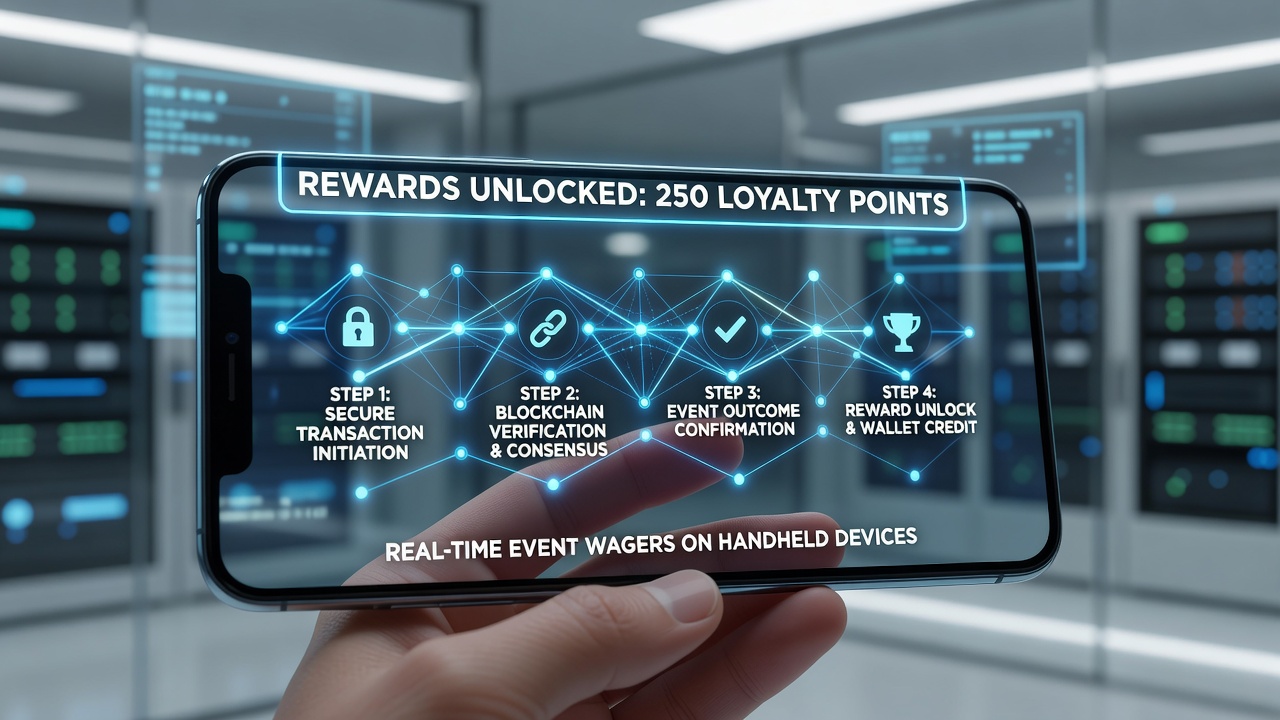
Tracing Transaction Verification Steps That Unlock Rewards for Real-Time Event Wagers on Handheld Devices
Transaction verification in real-time event wagers on handheld devices follows a sequence of automated checks that confirm funds, validate user eligibility, and release associated rewards once conditions are met. Systems process these steps through layered protocols that combine device authentication, payment gateway responses, and event outcome data streams.
Core Verification Sequence in Mobile Wagering Platforms
Initial device handshake occurs when a user opens a betting application on a smartphone or tablet, where the platform confirms the device's registered status through unique identifiers and operating system security tokens. Once the handshake completes, the system routes the wager request to a payment processor that cross-references account balances against live event odds, while encryption layers secure the data packet during transmission.
Subsequent steps include geo-location confirmation to ensure compliance with regional licensing rules, followed by an immediate funds hold that prevents double-spending across multiple wagers. Data from these checks feeds into a central verification engine that logs timestamps for each stage, creating an auditable trail that platforms use to trigger reward calculations after the event resolves.
Technology Components Driving Real-Time Processing
Modern platforms integrate application programming interfaces that connect directly to financial institutions and event data providers, allowing sub-second updates on wager status. Blockchain-based ledgers appear in select systems to record verification outcomes, whereas traditional relational databases handle high-volume transaction matching in others.
Researchers at institutions such as the Australian Gambling Research Centre have documented how these hybrid architectures reduce latency during peak live-event periods. Handheld devices receive push notifications once the verification engine clears the transaction, and reward unlocks occur automatically when outcome data matches predefined wager parameters.
Security Protocols and Reward Trigger Mechanisms
Multi-factor authentication supplements the transaction flow, requiring biometric input or one-time codes before final confirmation. Fraud detection algorithms scan for irregular patterns, such as rapid successive wagers from the same device, and pause processing until manual review or additional verification clears the flag.
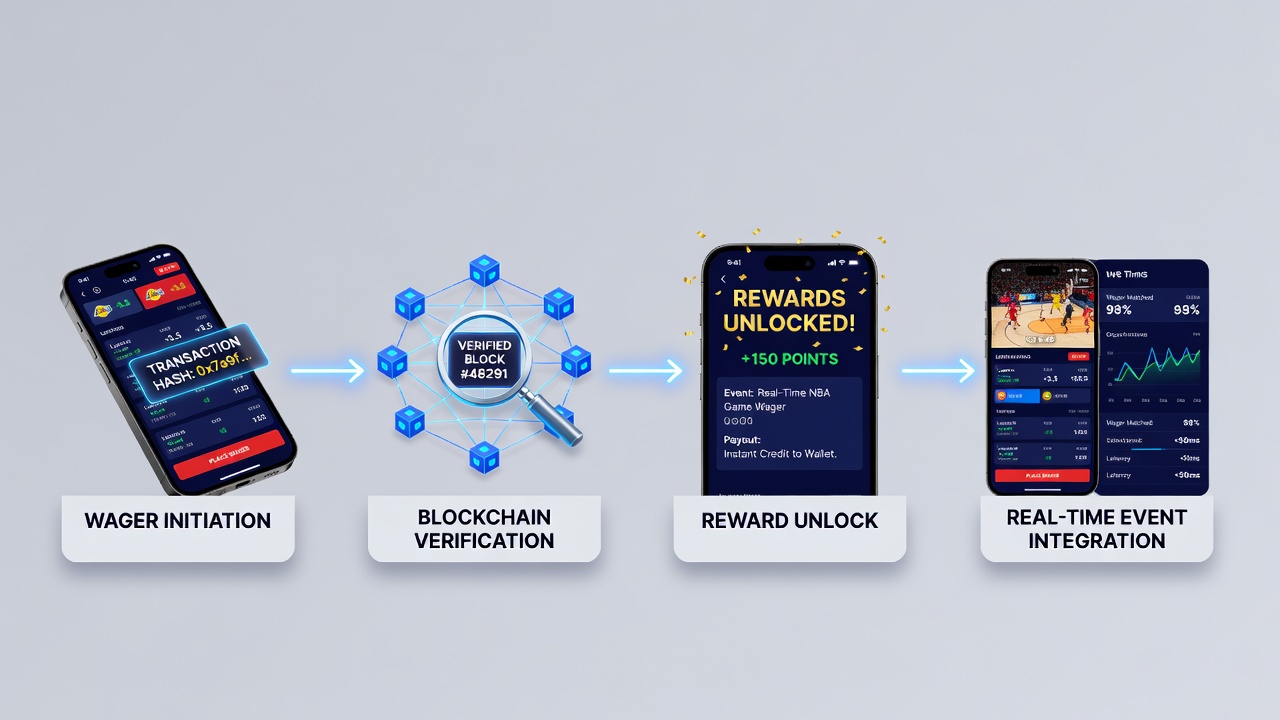
Rewards tied to verified transactions activate through conditional scripts that evaluate factors including wager amount, event category, and user loyalty tier. In October 2026, several platforms introduced enhanced token-based reward systems that link verification completion directly to digital asset distribution, streamlining the process for users who meet volume thresholds.
Regional Regulatory Influences on Verification Standards
Authorities in various jurisdictions set minimum requirements for transaction logging and reward disbursement timelines. The Nevada Gaming Control Board, for instance, mandates that mobile platforms maintain records of every verification step for at least five years, whereas European frameworks emphasize consumer data protection during cross-border fund movements.
Industry reports from the International Association of Gaming Regulators indicate that standardized verification timelines have shortened average reward delivery from hours to minutes across multiple markets. These developments reflect coordinated efforts among regulators, payment processors, and software developers to maintain integrity while supporting real-time functionality.
Case Examples of Verification in Action
One documented workflow involves a live soccer wager placed during a match's final minutes, where teh platform verifies the stake, holds the amount, records the bet against the current scoreline, and releases any bonus credits once the match concludes and results feed into the system. Another instance shows a basketball prop bet that unlocks tiered rewards after the verification engine confirms both the transaction and the player's statistical milestone within the same event window.
Observers note that handheld users often experience these steps as seamless because background processes handle the bulk of the workload, yet each element remains essential for accurate reward allocation.
Conclusion
Tracing transaction verification steps reveals a structured pathway that begins with device authentication and ends with automated reward release, supported by encryption, regulatory compliance, and integrated data feeds. Platforms continue to refine these sequences as event volumes grow and user expectations for speed increase, while maintaining the factual accuracy required for trust in real-time mobile wagering environments.