When Every Second Counts: Synchronization of Odds Updates and Reward Systems in Portable Betting Applications
Written by Willa Russell · Nov 6, 2026
When Every Second Counts: Synchronization of Odds Updates and Reward Systems in Portable Betting Applications
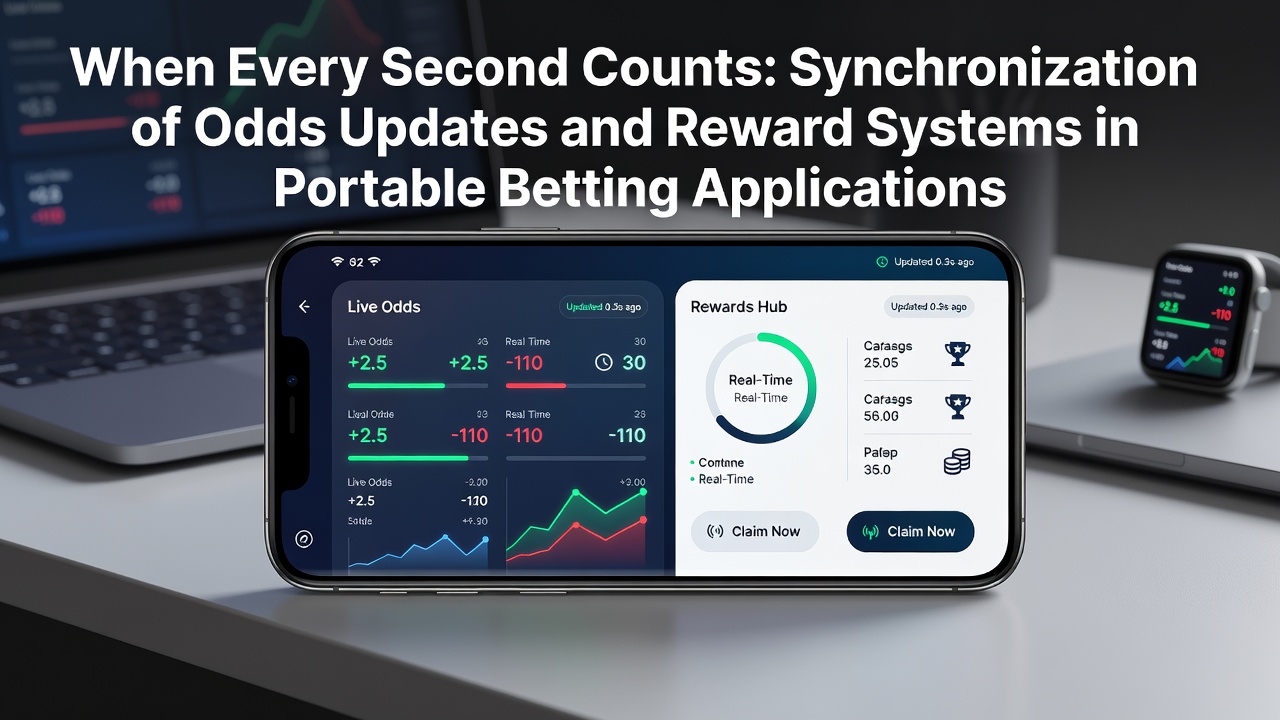
Portable betting applications rely on precise coordination between live odds feeds and reward mechanisms to maintain functionality during high-volume events, and developers build these systems around low-latency data pipelines that push updates from central servers to user devices within milliseconds. The process begins with data aggregation from multiple sources including sportsbooks, statistical providers, and market makers, after which algorithms recalculate probabilities and adjust displayed figures before any reward triggers activate. Observers note that delays beyond a few hundred milliseconds can create discrepancies between what users see and what the backend processes, which leads platforms to implement redundant connections and failover protocols that keep streams active even when primary networks fluctuate.
Core Components of Real-Time Odds Synchronization
At the foundation sit WebSocket connections and MQTT protocols that maintain persistent channels between applications and backend clusters, allowing incremental data packets to arrive without full page reloads. These connections carry structured payloads that include event identifiers, updated coefficients, timestamp markers, and risk thresholds, and the client-side code parses each packet to refresh interface elements while simultaneously checking whether any active reward conditions have been met. Research from industry technical groups shows that successful implementations often combine in-memory databases with edge computing nodes positioned near major user clusters, which reduces round-trip times and supports consistent delivery across different mobile operating systems.
Database sharding further supports this architecture because individual events generate thousands of micro-updates during peak periods, and distributing storage across geographic regions prevents bottlenecks. When an odds change occurs, the system evaluates linked reward rules in parallel threads so that bonus eligibility calculations finish before the next data packet arrives. Those who've examined production logs report that most synchronization failures trace back to packet loss rather than computation errors, which prompts teams to incorporate forward error correction and automatic retransmission logic directly into the transport layer.
Integration Between Odds Feeds and Reward Triggers
Reward systems activate only after confirmation that the current odds state matches predefined criteria, which means every update must pass through validation gates before any promotional credit or multiplier applies. This sequence prevents premature payouts and maintains audit trails required by licensing authorities in multiple jurisdictions. Data indicates that platforms handling major football tournaments process several million such validation events per hour, with each event requiring cross-checks against user account history, stake limits, and promotional eligibility flags.
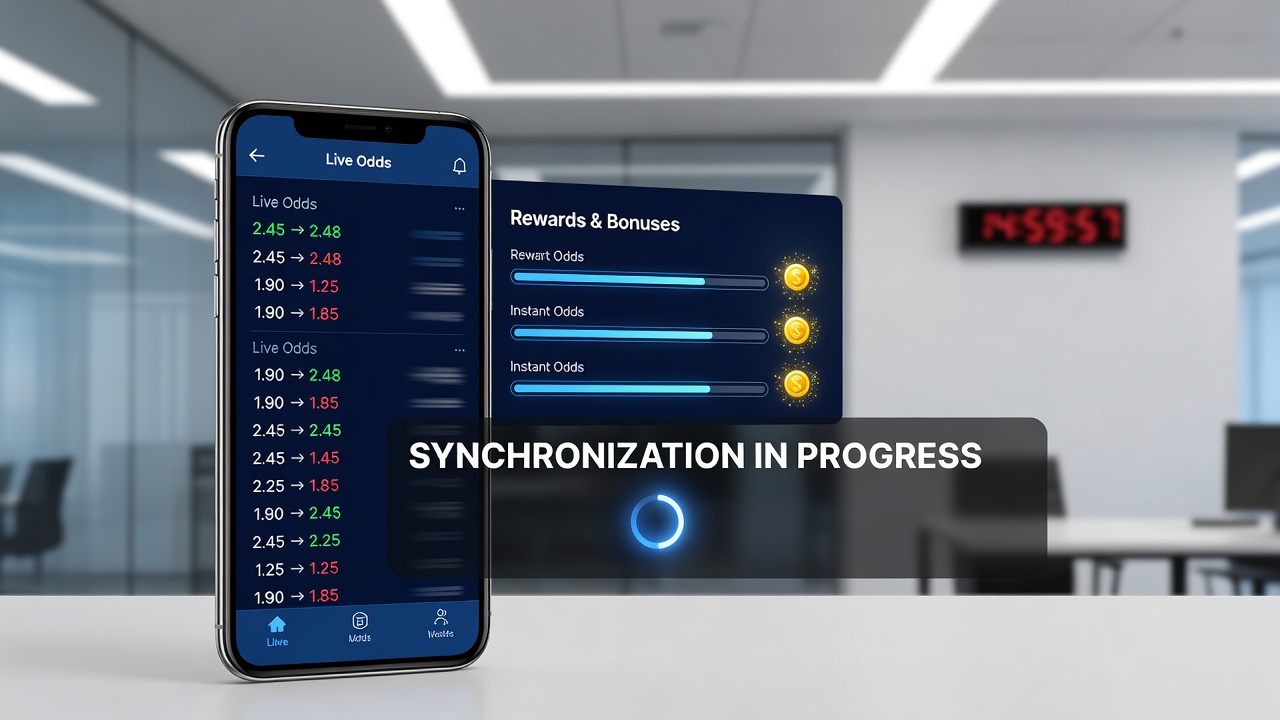
Developers frequently separate the reward engine into its own microservice cluster that subscribes to the same odds stream, allowing independent scaling when promotional campaigns coincide with high-traffic fixtures. The service compares incoming values against stored rule sets using deterministic matching functions, and any match generates an immutable event record that later supports reconciliation and dispute resolution. According to a technical overview published by the European Gaming and Betting Association, such decoupled designs have become standard because they isolate reward logic from core betting operations and simplify regulatory reporting requirements.
Performance Considerations on Mobile Networks
Mobile carriers introduce variable latency and occasional packet reordering that applications must accommodate through buffering strategies and sequence numbering. Engineers implement client-side reconciliation that discards outdated updates while preserving the most recent valid state, which keeps displayed odds aligned with server records even during brief connectivity drops. Studies on real-time distributed systems indicate that battery consumption rises sharply when applications maintain multiple persistent sockets, prompting optimization techniques such as coalescing small updates into larger batches during periods of lower volatility.
In November 2026 several operators deployed enhanced compression algorithms that reduced payload sizes by approximately 35 percent without sacrificing update fidelity, and early metrics showed measurable improvements in synchronization success rates across 4G and 5G networks. These changes also lowered the incidence of reward mismatches that previously occurred when users experienced intermittent signal loss during live events.
Security and Compliance Layers
Encryption protects every transmitted packet, while digital signatures verify the origin of odds data before any reward calculation proceeds. Regulatory frameworks in regions outside the United Kingdom require operators to retain complete logs of synchronization events for a minimum period, which necessitates efficient storage architectures capable of handling high write throughput. Industry reports from the Australian Communications and Media Authority highlight that consistent timestamp synchronization across distributed servers remains essential for demonstrating compliance during audits.
Conclusion
The synchronization of odds updates with reward systems in portable betting applications depends on tightly coupled technical layers that prioritize speed, accuracy, and resilience. Continued refinement of data transport protocols, edge processing, and validation logic supports reliable operation even as event volumes and user expectations continue to grow. Platforms that maintain these capabilities deliver consistent experiences across varying network conditions while satisfying technical and regulatory requirements in multiple markets.